
WWII civilian witnesses
Lilly Kitamoto Kodama
Born 27 August 1934
An American Childhood Behind Barbed Wire
 United States
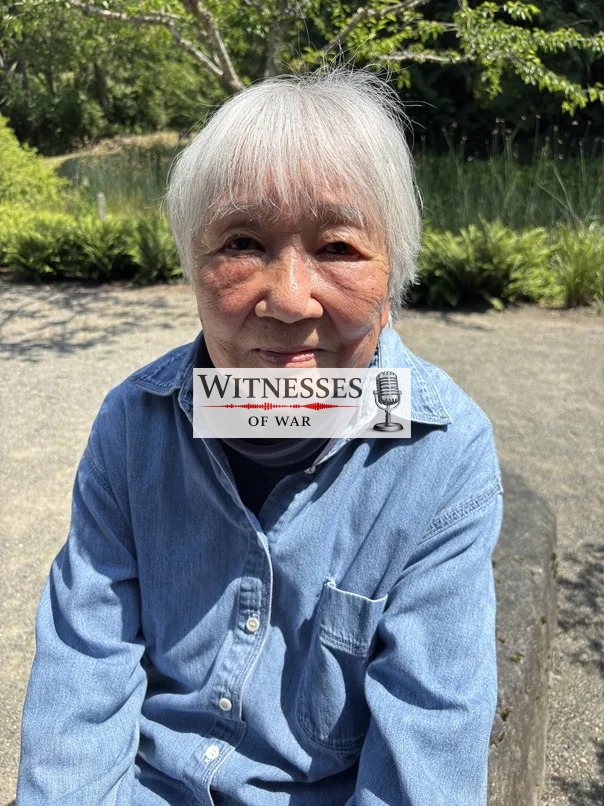
Lilly Kitamoto Kodama was born on 27 August 1934 on Bainbridge Island, Washington, in the family farmhouse where she grew up. The eldest of four children, she spent her early years surrounded by fields, farm animals and the close-knit Japanese American community. Her childhood changed abruptly after Japan’s attack on Pearl Harbor brought suspicion and persecution against Americans of Japanese ancestry.
On 30 March 1942, seven-year-old Lilly, her mother Shigeko, and her three younger siblings were forcibly removed from Bainbridge Island. Her father, Yoshito Frank Kitamoto, had already been arrested and detained separately. To reassure her children, their mother described the journey as a vacation. Lilly initially looked forward to travelling by ferry and train, unaware that their destination was Manzanar, a U.S. government incarceration camp in California.
At Manzanar, the family lived in barracks and ate in communal mess halls. Lilly remembered a dust storm that caused a crowd to rush for shelter; her little brother Frank fell and suffered injuries to his face. The family was later transferred to Minidoka in Idaho, spending more than three years away from home before returning to Bainbridge Island in August 1945.
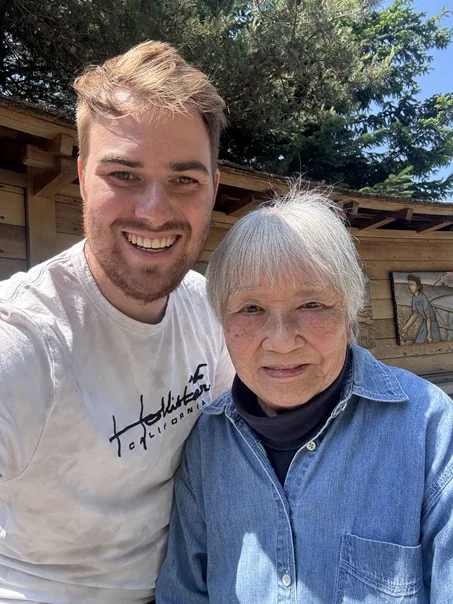
Their homecoming was possible partly because Felix Narte and Elaulio Aquino, Filipino farmworkers and trusted family friends, had cared for their house and land during their absence. Felix also made the long journey to Minidoka to bring the family home. Lilly later emphasized that their friendship helped ensure the Kitamotos had a farm to return to.
After graduating from high school in 1952, Lilly pursued opportunities away from the island, returning in 1998. She became an active educator and supporter of the Bainbridge Island Japanese American Exclusion Memorial, sharing her experiences with visitors and students. Her work gives personal meaning to the memorial’s message: “Let It Not Happen Again.”
← Back to all stories