
WWII veterans
George Rubin
Born 7 May 1925
A Jewish Airman Shot Down over Germany
United States Army Air Forces · Western Front · Wounded · Prisoner of War · Jewish soldier
 United States
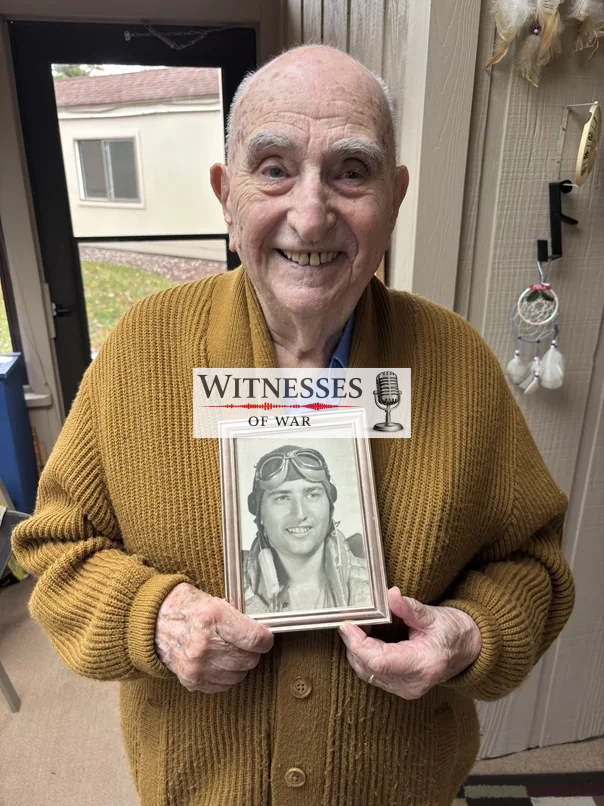
George Rubin was born on 7 May 1925 in Brooklyn, New York, and grew up in a secular Jewish family. His father was a First World War veteran. After graduating from Erasmus Hall High School in 1943, George entered the U.S. Army Air Forces. Initially training for flying duties, he subsequently trained as an aircraft armorer and aerial gunner.
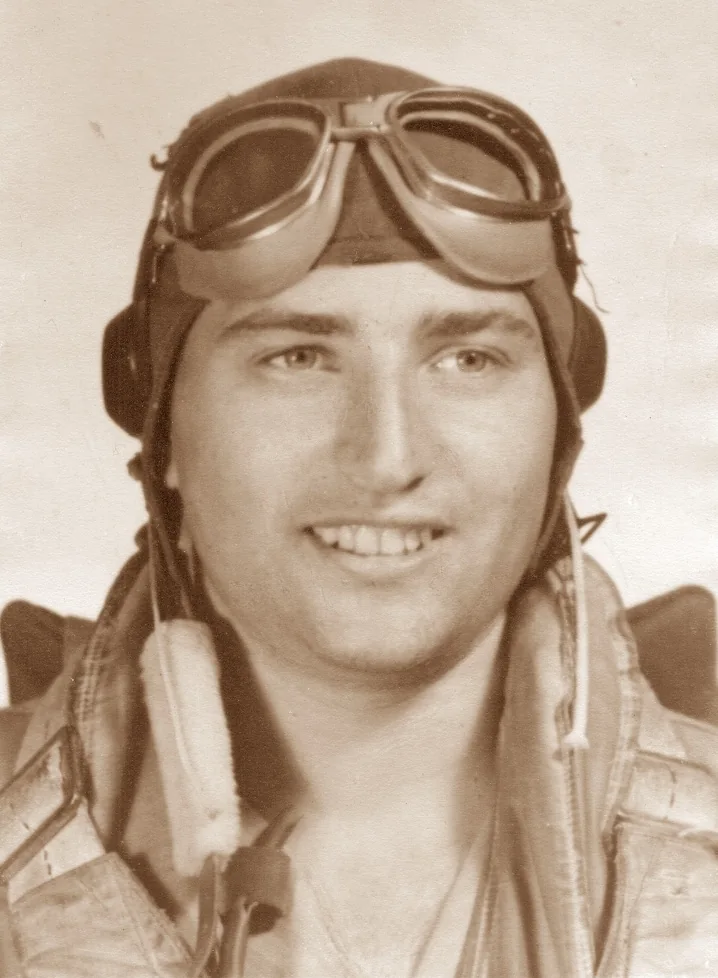
Assigned to the 835th Bombardment Squadron, 486th Bombardment Group, Eighth Air Force, Rubin flew aboard B-17 Flying Fortress bombers from Sudbury, Suffolk, England. He served as a waist gunner and armorer, responsible for weapons and bomb equipment. His combat missions exposed him to German fighters, antiaircraft fire and the freezing conditions of high-altitude flight.
On 25 February 1945, during his eighteenth combat mission, his bomber sustained severe damage while attacking Munich. Wounded in the leg, Rubin crawled into the bomb bay and manually released the remaining bombs after the electrical equipment failed. Unable to reach neutral Switzerland, the crew crash-landed near Sonthofen, Germany. All survived, but their ordeal continued on the ground: captured near a Hitler Youth training establishment, members of the crew faced execution until a German officer intervened.
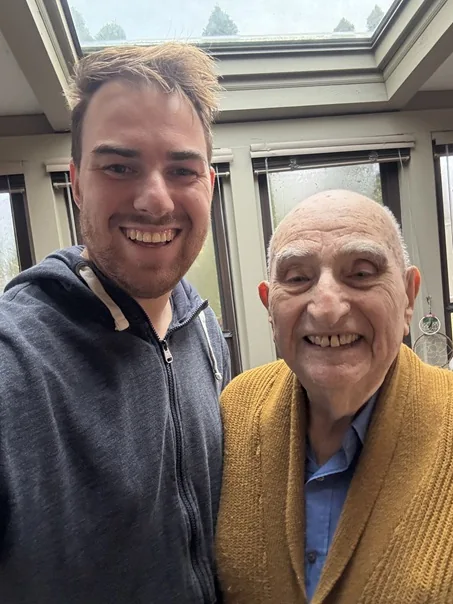
Rubin underwent interrogation at Dulag Luft, followed by imprisonment at Stalag XIII-D near Nuremberg. He subsequently endured a forced march to Stalag VII-A at Moosburg, where American forces liberated him in April 1945. After returning to the United States, he served with Air Transport Command at Fort Dix, New Jersey, assisting returning servicemen aboard transport aircraft.
After the war, Rubin married Marjorie and rebuilt his civilian life. The psychological consequences of combat and captivity remained with him, and he eventually sought treatment for post-traumatic stress disorder in his nineties. Later embracing Quakerism and pacifism, he shared his experiences with students and fellow veterans, speaking about both wartime service and its lasting human cost.
← Back to all stories