
Holocaust survivors
Erich Finsches
Born 11 September 1927
From Kristallnacht to Resistance and Deportation
Concentration camp survivor · Resistance · Auschwitz · Dachau
 Austria
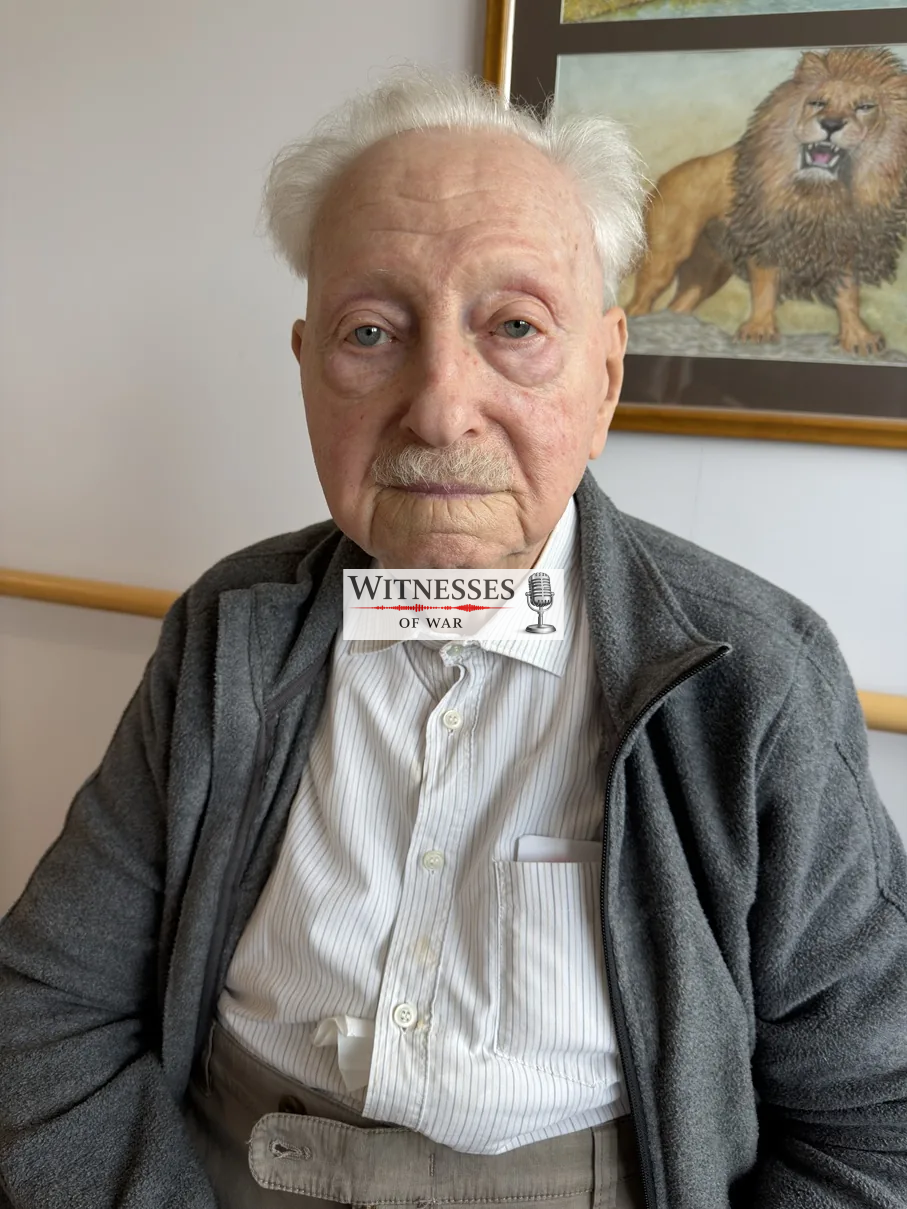
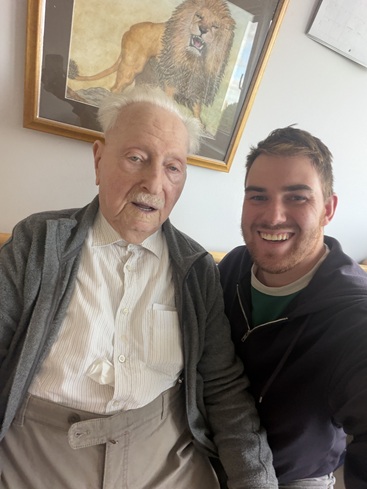
Erich Richard Finsches was born on 11 September 1927 in Vienna, Austria, into a Jewish family. Following Nazi Germany’s annexation of Austria in 1938, he was expelled from school. During the arrests surrounding Kristallnacht that November, eleven-year-old Erich went searching for his father and was himself detained and brutally beaten. His father was sent to Dachau, while Erich remained in Gestapo custody in Vienna.
In 1939, he was transferred to a forced-labour camp at Eisenerz, where he had to shovel iron ore into mining wagons. He escaped and made his way back to Vienna, surviving on food found in fields and forests. Friends and acquaintances helped him hide in the city. After another arrest and further forced labour, he escaped again, this time reaching Hungary. His subsequent experiences also included involvement in the Yugoslav resistance.
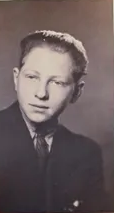
In 1944, Finsches was arrested and deported to Auschwitz. That September, he was transferred to Mühldorf, a subcamp of Dachau, where prisoners constructed a vast underground aircraft factory. Imprisoned at Mettenheim, he carried 50-kilogram cement sacks under exhausting and dangerous conditions. Severely weakened, he was transferred to Kaufering on 4 April 1945.
American troops liberated him on 27 April 1945, when he was seventeen and weighed approximately 29 kilograms. He received treatment at a convent hospital in Holzhausen, followed by further recuperation. Both his parents had perished during the Holocaust. In October 1945, he returned to Vienna and began rebuilding his life.
Finsches later worked in transport, trade and catering, raised a family and appeared in films, including Ulrich Seidl’s Hundstage (2001). Despite lasting injuries from persecution and imprisonment, he devoted many years to speaking at schools and commemorations, sharing the story of a childhood stolen by Nazism.
← Back to all stories