
Holocaust survivors
Elly Gotz
Born 8 March 1928
A Childhood Stolen by the Holocaust
Concentration camp survivor · Kovno ghetto · Kaufering · Dachau
 Lithuania
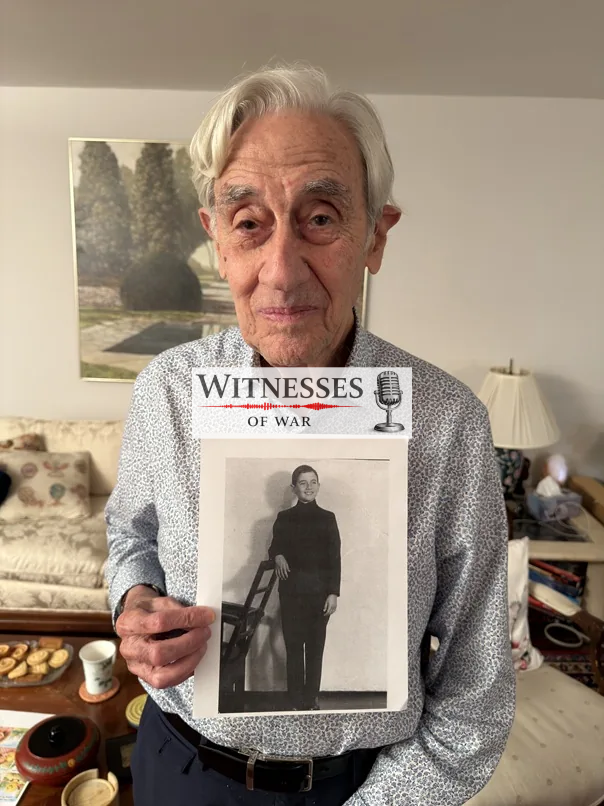
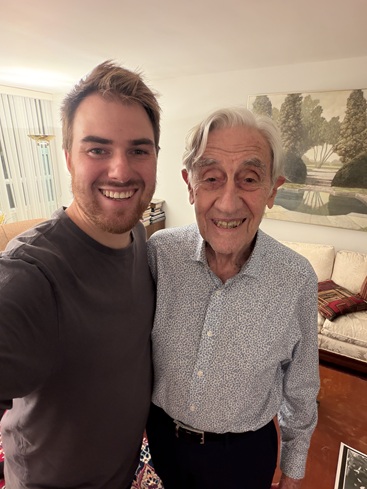
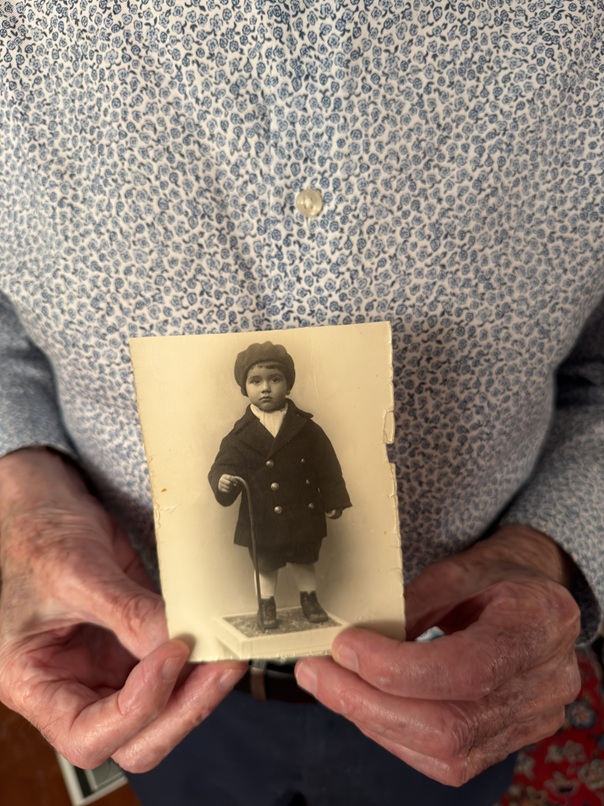
Elly Gotz was born on 8 March 1928 in Kovno (Kaunas), Lithuania, into a Jewish family. Following the German invasion in 1941, thirteen-year-old Elly and his parents were forced into the Kovno ghetto. There, he continued studying and learned metalworking and locksmithing—skills that would later help him survive imprisonment.
During the ghetto’s liquidation in July 1944, the family hid in an underground shelter before eventually emerging and being deported. His mother, Sonja, was separated from them at Stutthof, while Elly and his father, Julius, were transported to Kaufering I, part of the Dachau concentration camp system. They endured approximately ten months of forced labour, hunger and deteriorating conditions. Elly’s technical skills helped him obtain indoor work and assist his father.
As American forces approached, father and son were transferred by train to Dachau’s main camp. His father was desperately weak, and Elly brought him bread and soup when he could no longer collect his own rations. They were liberated by American troops in April 1945. Seventeen-year-old Elly weighed approximately 70 pounds (32 kilograms). Three months later, he found his mother alive in a hospital.
After the war, the family moved through Norway to Southern Rhodesia, now Zimbabwe. Elly subsequently studied engineering in Johannesburg, South Africa, married Esme Cohen in 1958, and settled in Toronto in 1964 with their three children. He established several businesses and fulfilled his childhood ambition of becoming a pilot. Through decades of Holocaust education, he has shared his experiences with students, encouraging understanding and resistance to hatred.
← Back to all stories