
WWII veterans
Dieter von Levetzow
Born 22 November 1925
From War and Captivity to a Life in Sculpture
German Army · Western Front · Eastern Front · Prisoner of War
 Germany
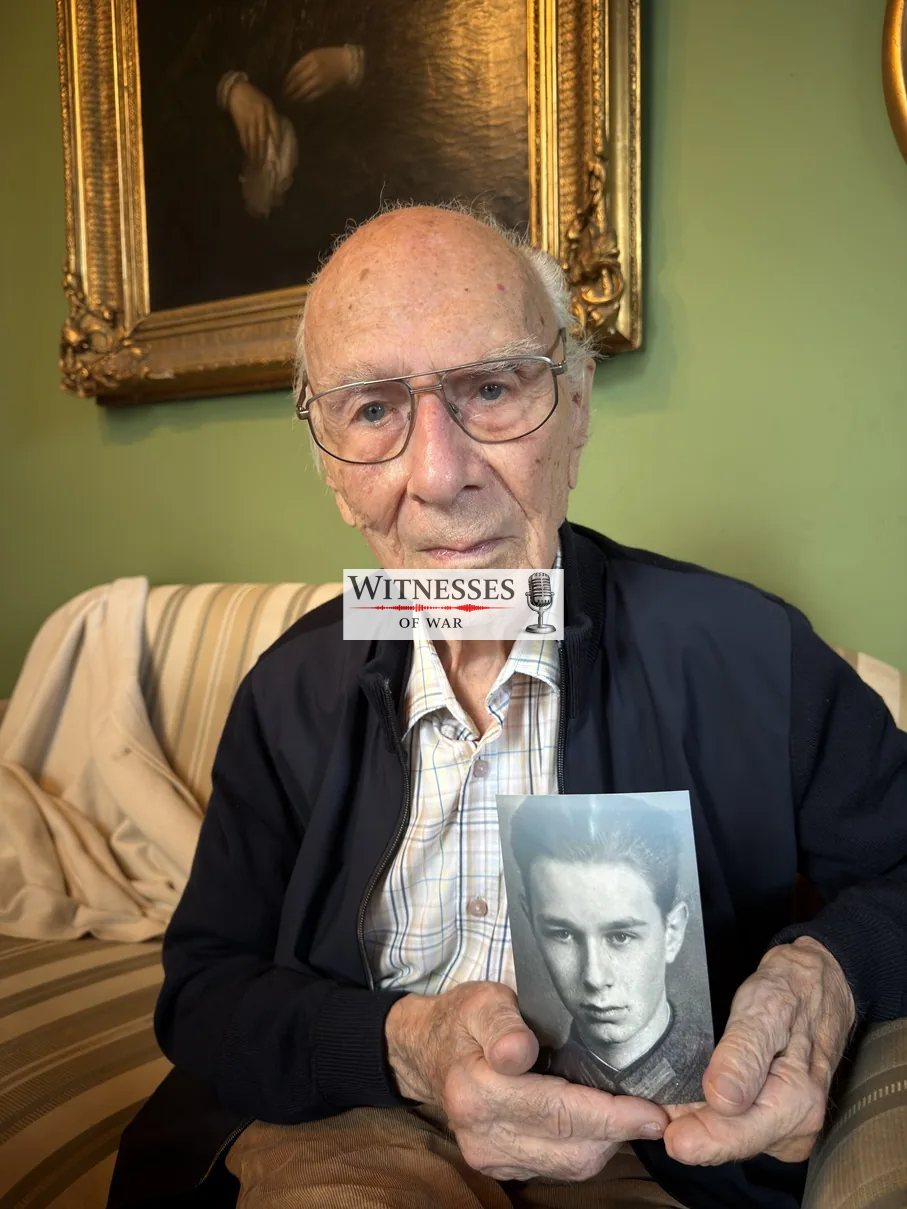
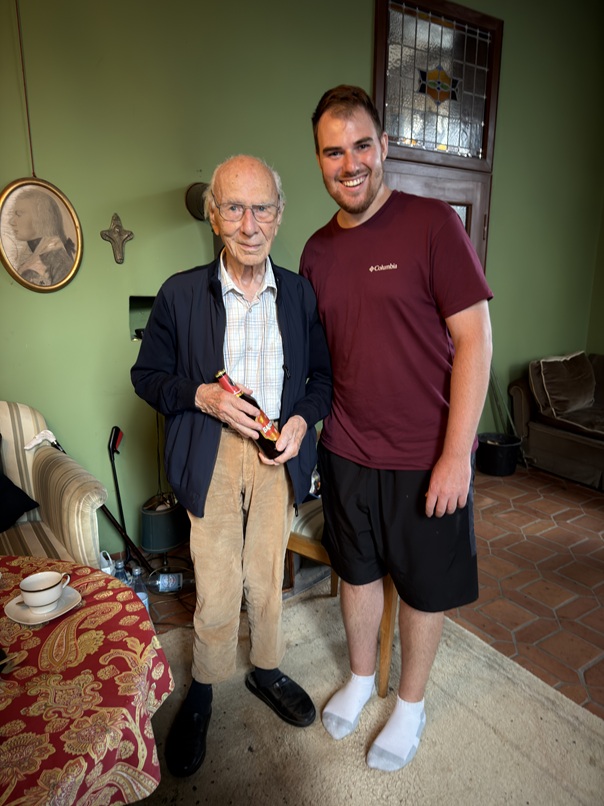
Dieter von Levetzow was born on 22 November 1925 in Gronau, Germany, and grew up in Bad Pyrmont. His interest in sculpture developed early, and in 1941 he began studying at the State Academy of Fine Arts in Weimar. His artistic education was interrupted by military service during the Second World War.
During the war, he served in the Wehrmacht’s Brandenburg Division. A published interview also places him in Clermont-Ferrand, occupied France, in 1943, where he was quartered in a convent belonging to the Sisters of Saint Vincent de Paul, requisitioned by the German army. Recalling this period decades later, he described having been compelled to serve and remembered the humanity he encountered among local people.
Von Levetzow subsequently endured Polish-Soviet captivity. After his release, he returned to Weimar to resume his studies before moving to western Germany. He worked as a stage-design assistant in Heide and later established a sculpture studio in a converted greenhouse at Paesmühle near Straelen.
Over the following decades, he created sculptures, fountains, religious works and medals. His career took him to Italy, where he worked in Anacapri, before he eventually settled at Haus Klarenbeck near Kranenburg, in the Lower Rhine region. His figures became familiar landmarks in several German towns.
In May 2006, he returned to Clermont-Ferrand for the first time since the war. There, he presented a bronze relief depicting Bishop Gabriel Piguet’s secret ordination of Karl Leisner in Dachau concentration camp in December 1944. He intended the work as a contribution to Franco-German reconciliation and an expression of gratitude towards the people of the city where he had once served as an occupying soldier.
← Back to all stories